KARYA SIDDHI HANUMAN TEMPLE

Maha Kumbhabhisheka July 2015

Significance of Kumbhabhisheka

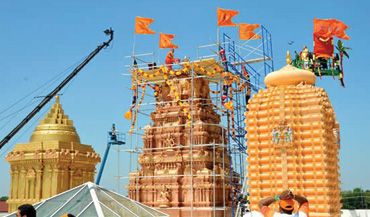
Kumbhabhisheka is the consecration ceremony for a Hindu temple which involves ancient Vedic rites, homas and pujas. Kumbha, meaning the head, references the shikhara or spire above the temple which is usually on top of the gopura, an ornate tower on top of the temple. Abhisheka is the pouring libations, such as water or milk, during worship while chanting mantras. Kumbhabhisheka references the transferring of the power that is generated during the reverential performance of sacred homas and stored in the kalashas onto the kumbha on top of the temple.

During the Kumbhabhisheka ceremonies, deities are invoked and propitiated through religious rites including homas and yagnas. Divine energy is invoked by the appropriate religious rites and transferred into kumbhas containing the water of the holy rivers of India by chanting mantras derived from the Vedas and Samhitas.
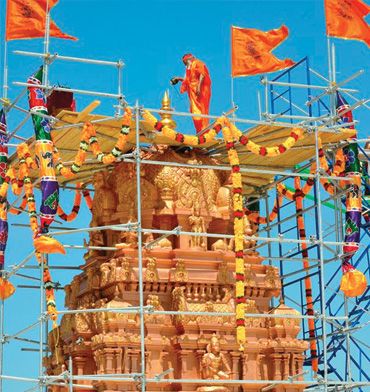
featured-Kumbhabhisheka-main.jpeg These mantras consist of prayers to different deities for the well-being of mankind, guidance in performing religious duties properly and instruction in following the four-fold duties of dharma (righteousness and duty), artha (wealth and prosperity), kama (worldly desires) and moksha (liberation). After the murtis of the deities are installed, the energy collected in the water of the kumbhas is transferred into the murti in the Temple by pouring the water on the appropriate gopura and vigraha.
Pancha Adhivasas

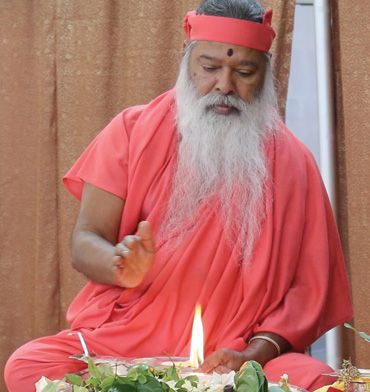
The Kumbhabhisheka initially involves five step purification process known as “Pancha Adhivasas.” Adhivasa refer to a purification ceremony during which the murtis are immersed in five different types of natural elements – water, milk, paddy grains, flowers, and cloth. Each of these Adhivasas is accompanied by the chanting of the “Adhivasa Suktam” mantras which infuse different types of consciousness into the murtis.

These stages of immersion are needed to cleanse and cool the vigrahas which have undergone cutting, chiseling, carving and other sculpture works. The five stages of the Adhivasas are as follows:

Jaladhivasam (immersion in water): The first of the adhivasas is the immersion in water. The water is used for both purification and sanctification of the murtis. Kshiradhivasam (immersion in milk): Immersion in milk symbolizes “Sattva Guna” (serenity, harmony and peacefulness). The Kshiradhivasa sukta ceremony infuses those sattvik qualities into the murtis. Dhanyadhivasam (immersion in paddy grains): In this step, the murtis acquire immense powers to bless the entire world with endless greenery and abundant food. Pushpadhivasam (immersion in flowers and floral petals): This step empowers the murtis to bless the entire world with peace and happiness. Sheyanadhivasam (wrapping in cloth): During the fifth and final adhivasa, the murtis are wrapped in new cloths and laid down for yoga nidra (sleep). This period is dedicated to the murtis for taking a little rest before the intense Prana Prathista ceremony.

Event Details

Preparatory Pujas began:July 18, 2015 Kumbhabhisheka Date July 23, 2015 Mandala Puja July 24 - Aug 30, 2015

Prana Prathista and Kumbhabhisheka

After the Adhivasa ceremonies, the sacred murtis are ready for Prathista or the sacred ceremony of installation in a consecrated place. The holy places designated for the vigrahas are sanctified with the recitation of Vedic mantras or hymns and through “Ratnayasamu” (purification with gems) and “Garbhanyasamu” (purification of Earth). Various other Nyasas (purifications) are performed before the Prathista.

When the awaited auspicious moment arrives, “Yantra Prathista” is done. A Yantra is holy metallic piece (copper or gold) with certain sacred inscriptions that when placed while chanting specific vedic hymns will take on the source of the cosmic powers. This process is then followed by the final step of “Prana Prathista”. This is done thorough Pranasuktam, a sacred ritual where the holy murtis are infused with life energy and life forces to assume the form of the powerful deity.

This energized deity is then offered a sacred oblation by performing the Kalshabhisekam with all the Yagnashala kalashas that were previously energized by the homas and Vedic chanting. This entire series of sacred rituals is known as Kumbhabhisheka. Only after this ritual is properly performed the worship to that deity can commence or start.

Mandala Puja

According to the shastras that guide temple worship, a “Mandala Puja” must be performed for over a month (normally 40 days) after the completion of the Maha Kumbhabhisheka, initial consecration of a Hindu temple. The Mandala puja continues to enhance the divine presence in the consecrated murtis and was presided over by founder of this temple, Parama Pujya Sri Ganapathy Sachchidananda Swamiji.

Steeped in spiritual and religious significance while invoking peace and harmony, the Kumbhabhisheka rites and incantations have an everlasting beneficial effect on society as a whole. The sacred occasion also provides an opportunity for all devotees to renew and revitalize the connection and dedication to God, the temple and the surrounding communities.

Key Pujas

According to the Agama shastras, it is very auspicious to attend and witness a Kumbhabhisheka in one’s lifetime. Those present are further benefitted immensely by participating in the pujas. featured-Kumbhabhisheka-puja.jpeg Some of the key pujas performed during the Kumbhabhisheka are:

Some of the key pujas performed during the Kumbhabhisheka are:

Ganesh Puja: Before commencing any ritual, it is customary to perform Ganesh puja to remove any obstacles and to ensure successful completion of the event. Punyahavachanam: This is the process of purifying the body, mind and all the materials to be used in the rituals. Sankalpam: This is the declaration of the intent or resolution expressing the devout desire of the sponsors and participants to install the murtis or vigrahas and to infuse them with the energy suitable for the worship of these murtis. Deeksha Dharana and Rakshabandan: To solely concentrate the mind and body on this important ritual till the completion, this puja consists of tying an auspicious thread around the wrists of ritwiks, japa kartaas and other sponsors. This is done to protect them from evil forces. Kalasha Sthapana: The Kalasha (containing water) is symbolical of the universe and space. It represents ‘the body’ of God. According to the Karma Kanda and the ancient Rishis, the Sthapana or ‘installation’ of the Kalasha in all religious functions means that the Devas prevail here. “Hiranya garbha sama varta tagre” is recited in the Vedas – “Here, the devas prevail.” Water as an element of life signifies vitality. It gives life to the Kalasha. Water signifies there is life. Devataavahana: This is the process of inviting all the deities on the respective mandapas followed by a 5 step purification process known as “Pancha Adhivasas” to the idol and various homas to satisfy all the invited deities in a specific order.